


One of the most common questions I get asked is which Panaeolus varieties are easiest to work with if you’re new to Pans?
In general, I’ve noticed that varieties collected near volcanoes or from areas with volatile weather patterns, such as South Africa, Texas, and Queensland, tend to have more aggressive genetics. In contrast, varieties collected from areas with temperate climates, such as Florida and western Mexico, tend to be a bit more delicate. This makes a lot of sense when you think about it too. Varieties from harsh or unpredictable environments have essentially been pressure tested by nature, while varieties from stable climates never had to develop that same resilience.
While location alone isn’t the only factor, habitat, soil composition, and other environmental conditions all play a role too, it is a consistent pattern I’ve noticed over the years and found interesting. It’s also a good tell for varieties you’re interested in that I may not have worked with yet.
I don’t want to leave you with just a general guideline though, so here are my top 10 recommendations for those new to Panaeolus.
What I Took Into Consideration
- Genetic Consistency: Does this variety show vigorous growth across genetic expressions, or does it have a tendency to produce weak or difficult cultures?
- Environmental Tolerance: Does this variety handle small swings in temp, humidity, oxygen, and CO2 well, or does it start aborting as soon as conditions dip outside of its preferred environment?
- Fruiting Performance: Does this variety produce dense flushes on a regular basis, or do the results vary grow to grow?
- Strength and Resilience: Does this variety claim its territory quickly, or does it succumb to neighboring organisms?
My goal with this post is to recommend the top 10 Panaeolus varieties that I’ve found perform best across the board, so those who are just getting started have the highest chance of success.
This isn’t an all inclusive list. While I’ve worked with a lot of Pans, I haven’t worked with them all so I’m only considering the varieties that I have experience with.
Top 10 Easiest Panaeolus Varieties

1. Alabama Bayou Magic
Alabama Bayou Magic is a mix of four wild Alabama collections that were bred together by Jake Oncid. It’s an aggressive variety that is easy to work with, and known for it’s vigorous growth and dense flushes.

2. Komodo X BVI
Komodo x BVI is a beautiful cross between Panaeolus cambodginiensis (Komodo, Indonesia) and Panaeolus cyanescens (BVI), by Sarek. Its very low maintenance, and like ABM, known for its dense flushes. What’s interesting about this variety is its spore color. While most red gill varieties have red spores, Komodo x BVI’s spores appear dark purple to purplish-black.
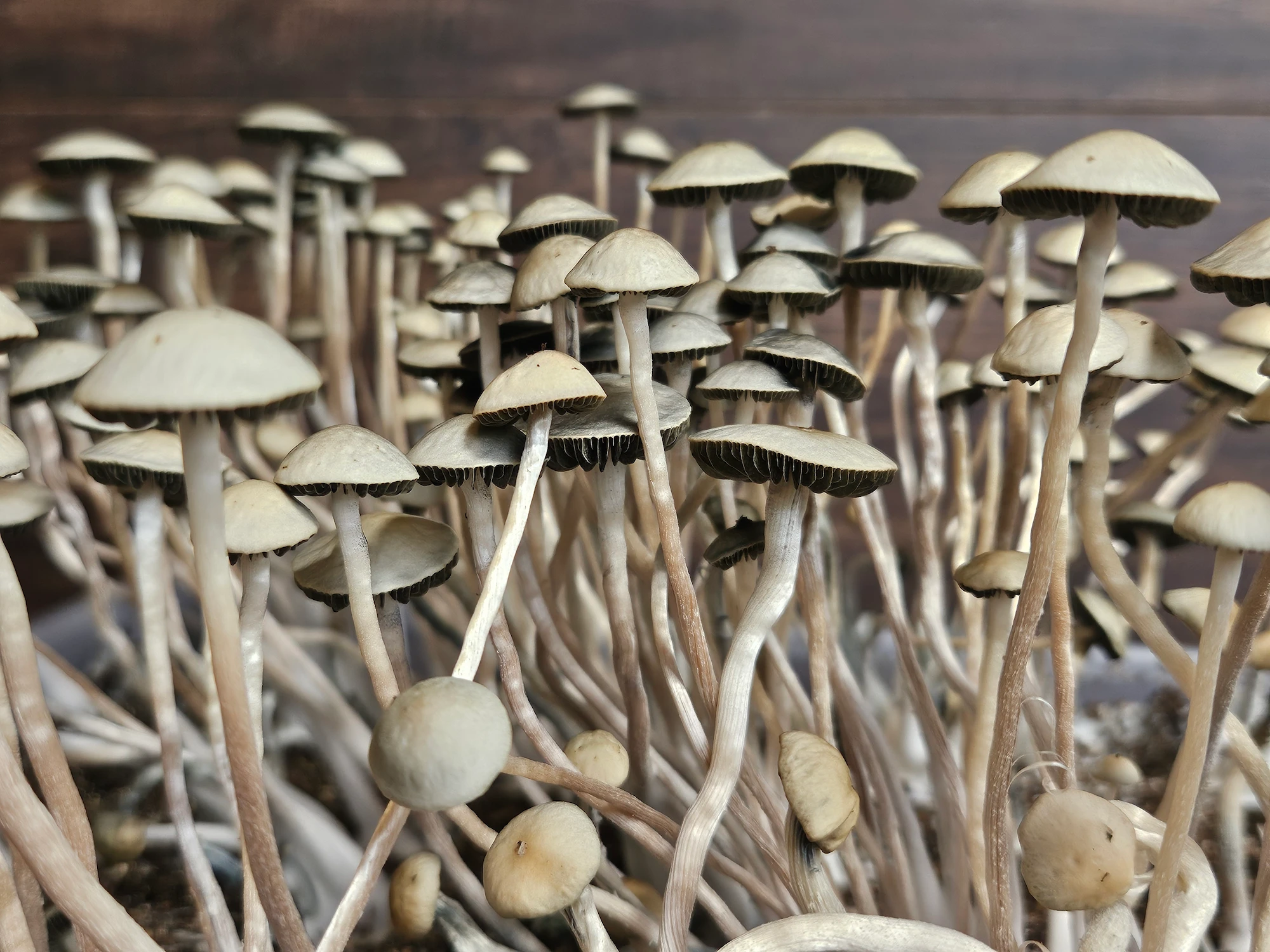
3. Laupāhoehoe, HI
Laupāhoehoe is one of 2 volcanic collections that made the list. It’s a wild and unruly variety with tall, slender, fast growing fruit that handles environmental fluctuations well.
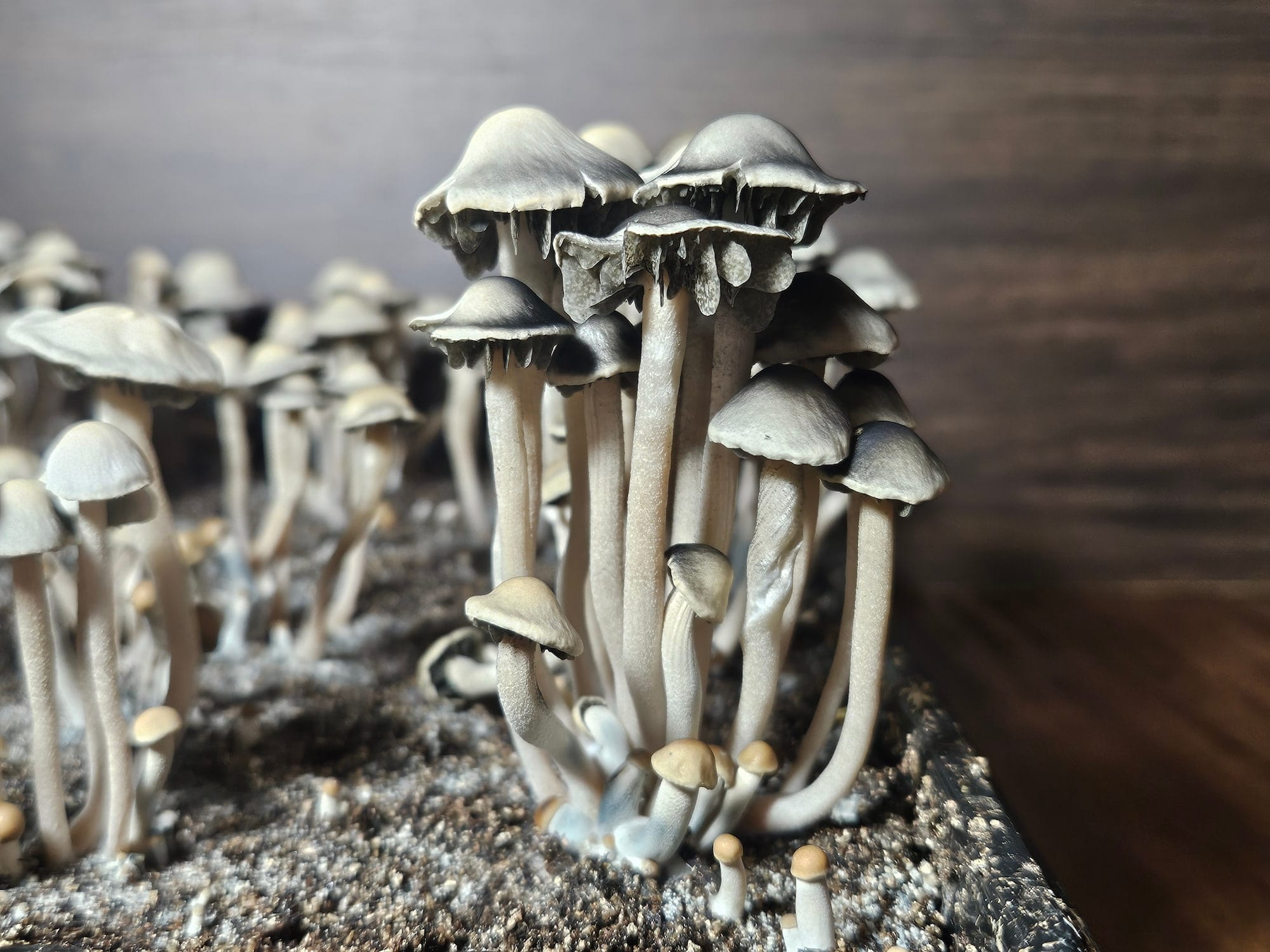
4. Marco Island, FL
The only Florida variety that made it to the list. Marco Island was originally thought to be bisporus, but sequencing revealed it’s actually a cyanescens. It is far more forgiving than most Florida strains and, despite its rugged appearance, is said to provide one of the least anxiety-inducing experiences..
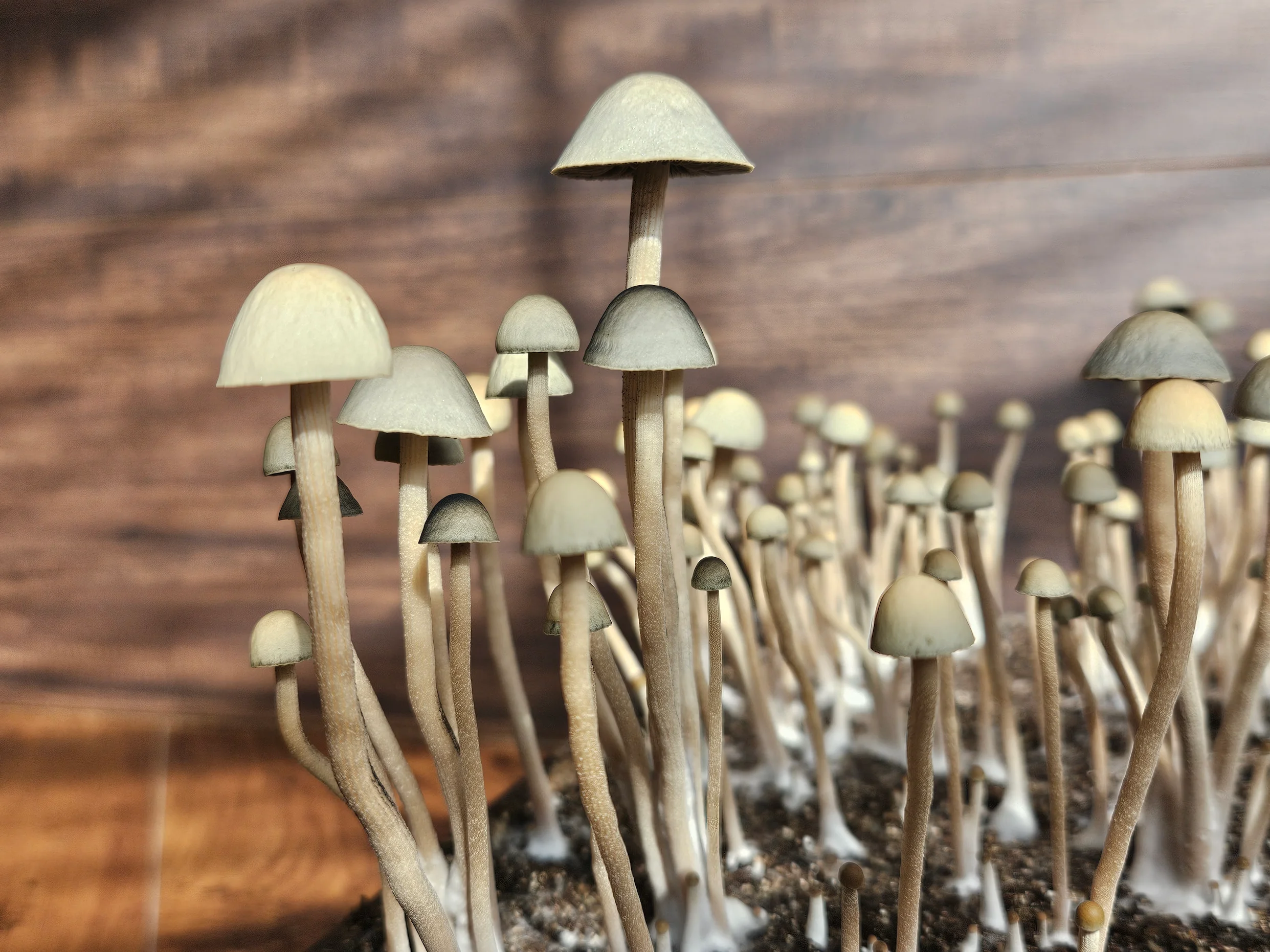
5. Misty Glenn
Misty Glenn is a low maintenance variety from Australia that is full of personality. The fruit are quite large compared to most P. cyanescens, and handle small temp and RH swings well. It also produces really nice spore prints which is nice for research.
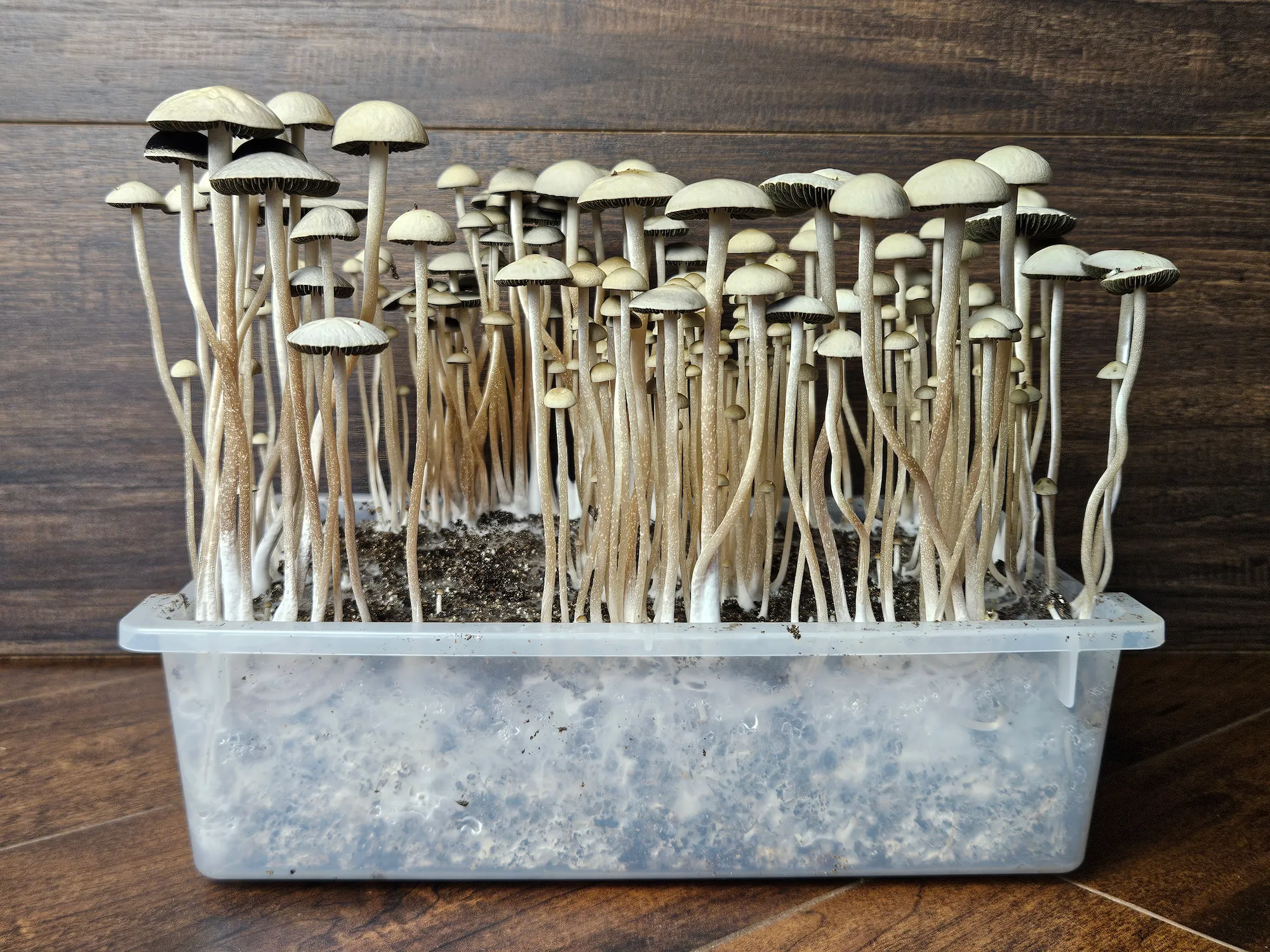
6. Naolinco
Naolinco is the second volcanic variety on the list and it is a powerhouse! This line of genetics is tall, fast and aggressive. The fruit reach up to 7” in height with caps so large, they occasionally tip themselves over to finish maturing on their side.

7. NVTX
NVTX is an isolation by dsernabledesigns from a wild collection found in Needleville, TX. Like Marco Island, it has a more masculine appearance and thick, hardy fruit that hold their ground against competition.

8. South Africa Mystery
South Africa Mystery is a newer, unidentified species that is most closely related to Panaeolus bisporus and Panaeolus cyanescens. It is a vigorous, fast growing variety that likes to fruit in clusters. It’s also been reported to have a very smooth, and uplifting experience.

9. Weza
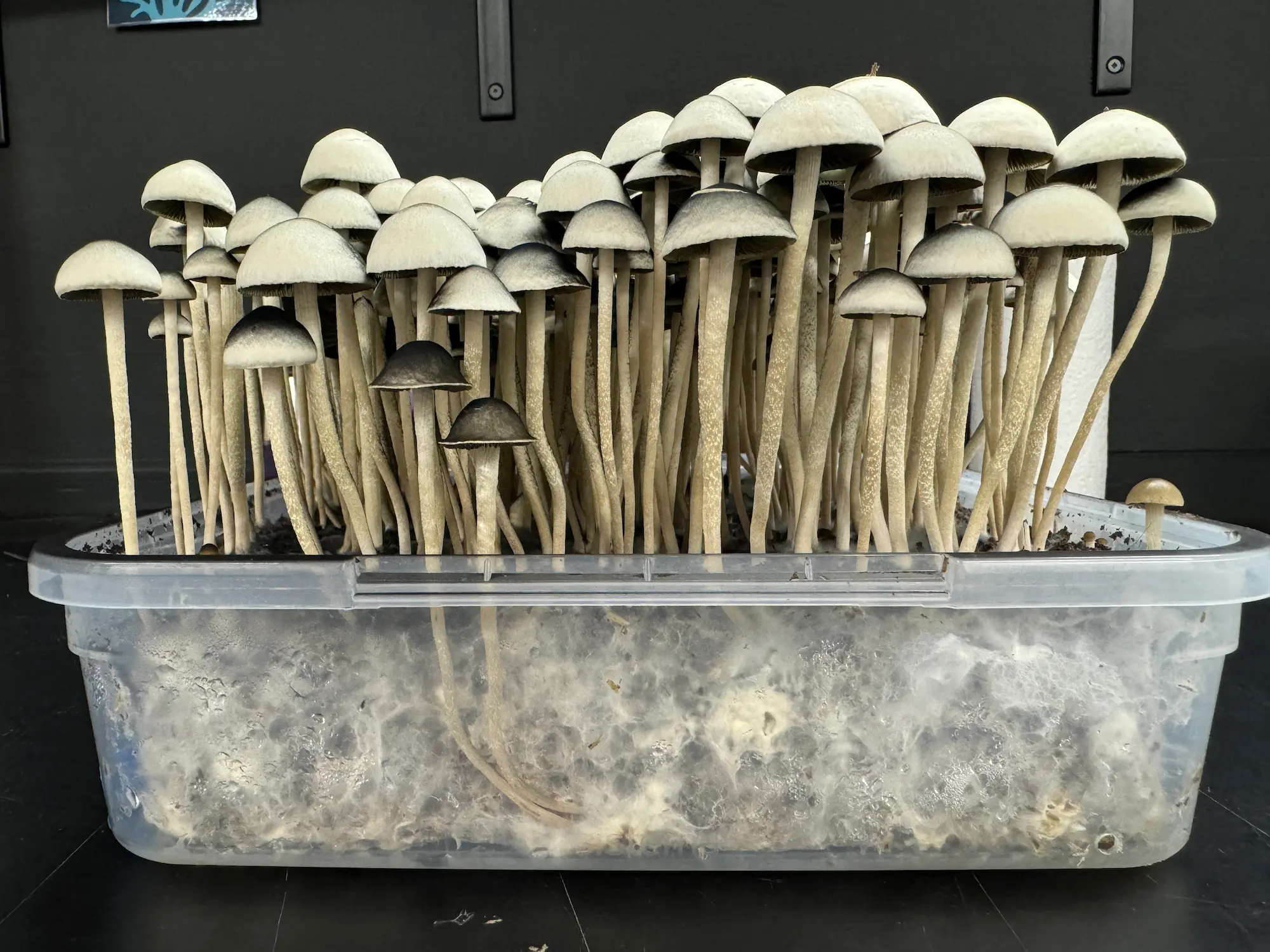
Weza is my #1 recommendation for those new to Panaeolus. It scores a 10 out of 10 across all four criteria and has a range of interesting phenotypes to work with. Its also one of the largest Pans I’ve ever seen, and comes in just behind TTBVI for potency. Like the other South African varieties, Weza doesn’t appear to be a cyanescens like originally identified. Preliminary sequencing suggests it could be its own species, most closely related to Panaeolus foenisecii and Panaeolus oligotrophus, and potentially the first confirmed member of a newly proposed fourth subgenus called Afrocanus. Whether you’re an experienced researcher or just getting started, Weza is a great variety to have in your collection!
10. Wild Coast
Wild Coast is the third South African variety to make the top 10 list. Its a great producer, with good sized fruit, that handles temp and humidity swings better than most Panaeolus. It’s also reported to do well in manureless substrate (although I’d say that’s true for most all aggressive varieties).
Runner Ups

Runner Up #1: MIB
MIB is an unconfirmed cross between BVI x PHV x Nec’D, although I’m fairly confident the parents are TTBVI x PHV. In general, MIB is easy to work with but it doesn’t have the genetic consistency I was looking for in the top 10 list.
Runner Up #2: Snake Gully
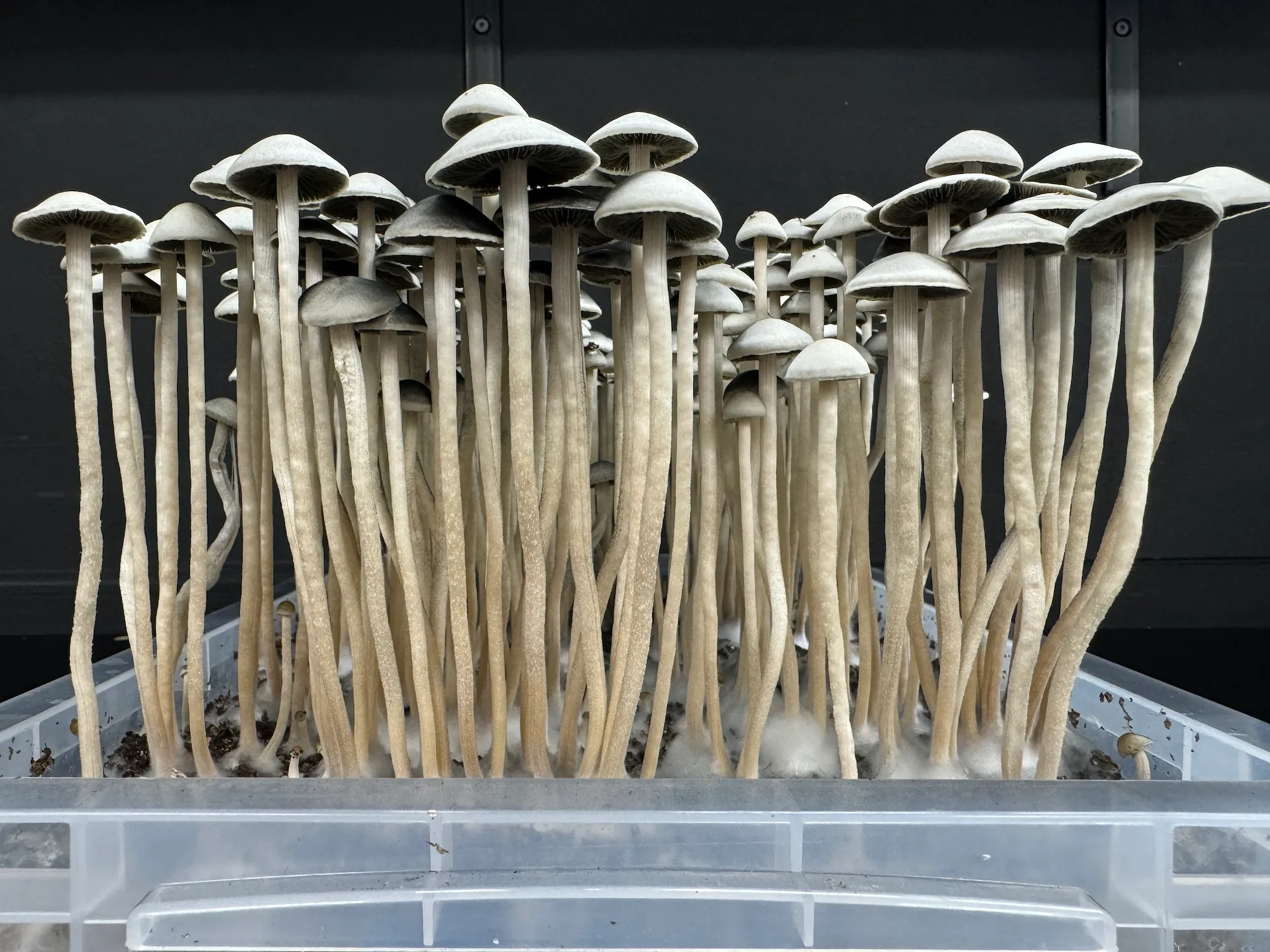
This is a really cool variety out of Australia that produces tall, robust fruit. While the growth is quite vigorous, Snake Gully is a bit more sensitive to environmental fluctuations which may make it difficult for those still dialing in their setup.
Runner Up #3: TTBVI
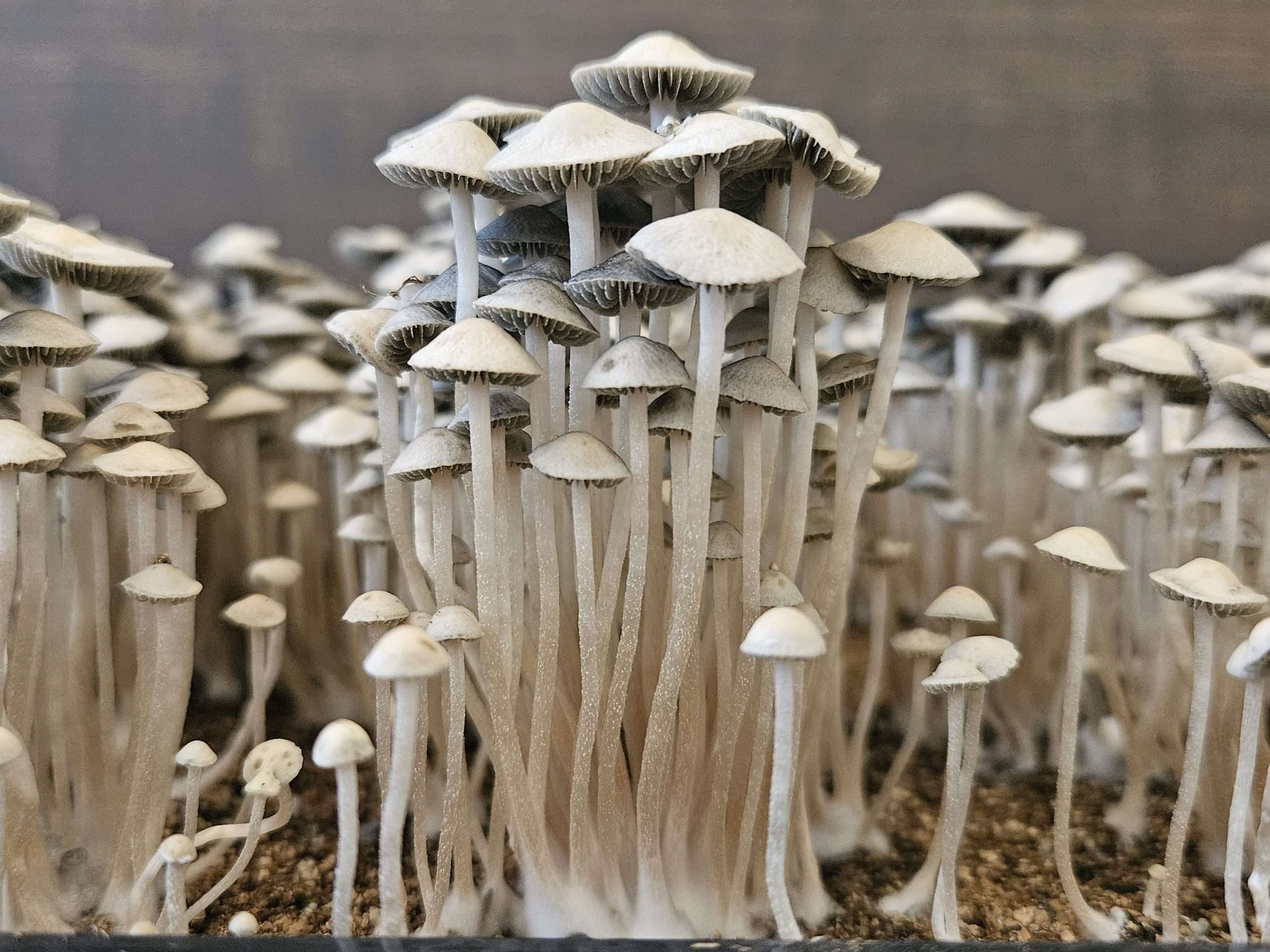
Last but certainly not least… TTBVI. I bet you’re surprised not to see this one in the top 10. While it’s true, TTBVI has insanely aggressive genetics that will grow in just about any conditions, it comes with a caveat.
Because the fruit are so small and the growth is so vigorous, TTBVI has a tendency to crowd each other out and abort. To avoid this, it helps to use a higher spawn to sub ratio (eg: 1:6 or 1:8), and make sure the substrate is deep enough to hold enough water to bring them to maturity. Spore prints also tend to be on the lighter side. Despite this, TTBVI is the most popular Panaeolus variety and its also the most potent.
Happy Researching!
This list will evolve as new varieties are added to the collection so I’ll do my best to keep it updated.
I’m also working on a full comparison post that covers everything in the Panaeolus collection side by side. If that’s something you’re interested in, make sure to join the email list so you get notified.
Did you find this post helpful? Share it with a friend! 💜